In 2026, how teams work is more important than speed alone. A clear strategy, strong people, and realistic execution determine our progress.
At MWDN, our daily work stays close to this reality. MWDN is a global all-in-one hiring service provider bridging the talent gap with top 5% experts across different time zones for companies of any size and stage in Israel, Europe, the USA, and Canada. Below, you will also find some practical tips and insights from Vitalii Vystavnyi (Managing Partner).
Our focus for 2026
Working with international product development teams this year, we noted one important thing. Recruitment has become more focused. Now, the main thing is not the lowest cost, but to create a team that can work consistently and remain stable over a long period of time.
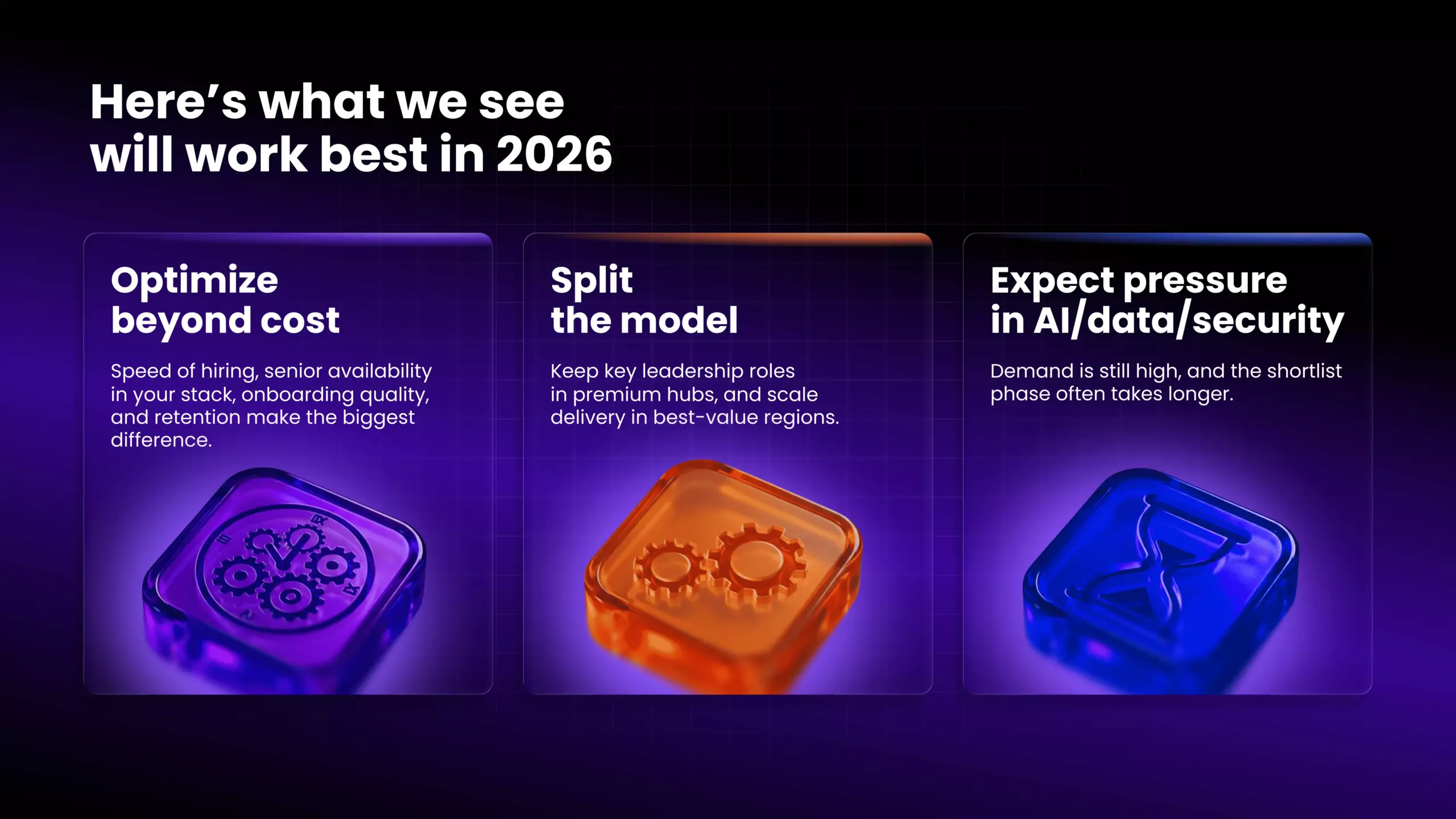
To keep productivity strong throughout the year, we try to keep things simple.
First of all, try to use fewer stacks, clearer ownership, and senior-first hiring to reduce ramp-up and rework.
Secondly, pay attention to embedded teams with real accountability. This is why delivery-partnership outstaffing keeps outperforming task-based hiring.
And since so much of 2026 comes down to choosing priorities (in hiring and in execution), one book we often recommend is Essentialism by Greg McKeown. This is a good reminder that progress comes from focusing on what matters and cutting what slows you down.
Strengthening partnerships in Israel
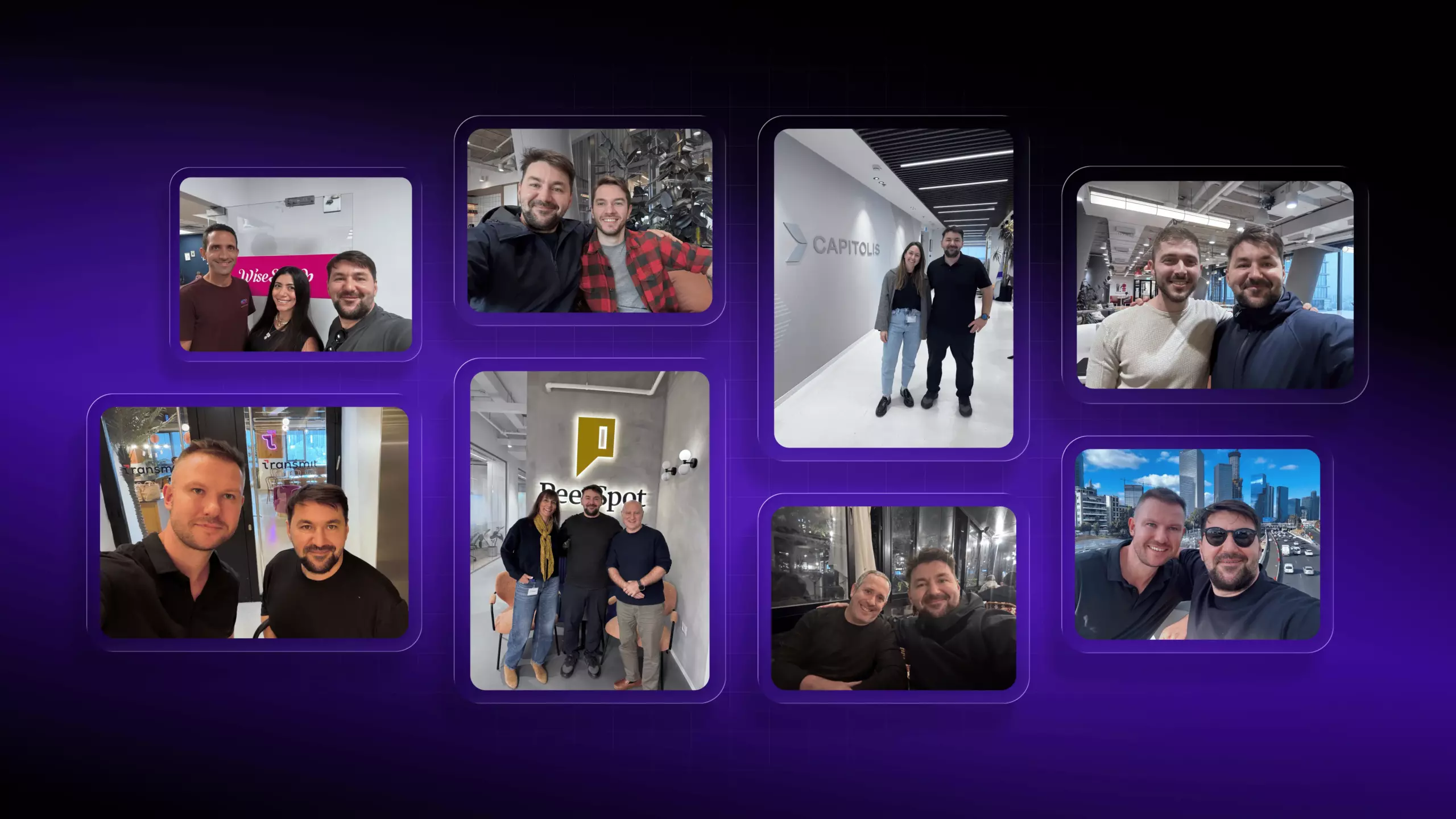
Many hiring and execution decisions become clearer when you can talk to people face-to-face. And Israel is one of the best places to do that. Last year’s trips yielded the kind of meetings we value most: direct, practical, and genuinely enjoyable.
We had great conversations with teams like Swimm, Spark Hire, and Capitolis. The kind that leaves you with sharper thinking and a few takeaways you can apply right away.
And meetings with Cypago, in particular with Yahav Peri (CEO and co-founder), were a strong reminder of what long-term collaboration looks like when you’re fully aligned on values, pace, and how work should be done. Especially in cybersecurity, where quality can’t be negotiated.
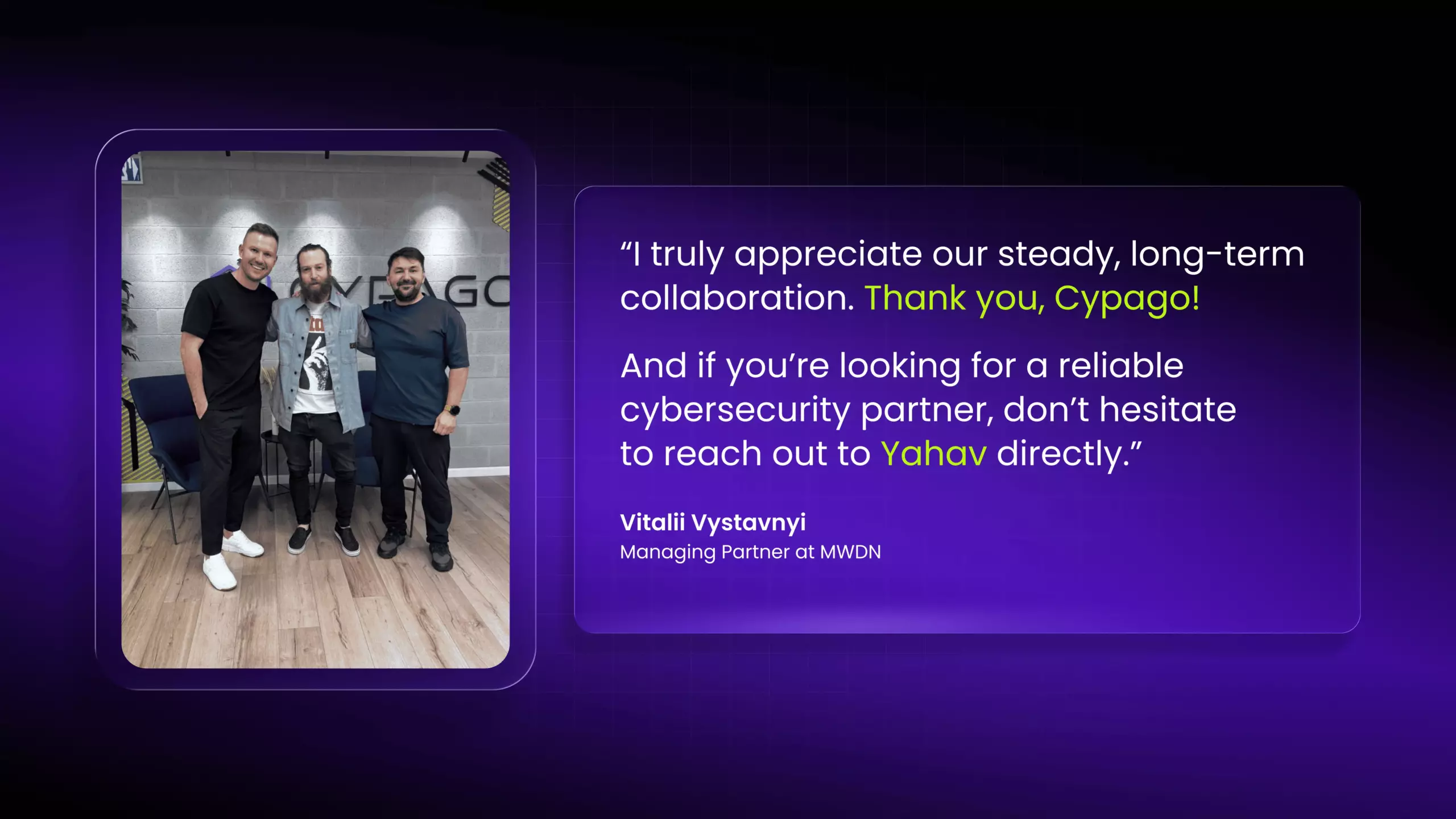
Here are some conclusions we drew from these meetings and are incorporating into our work this year:
- The speed of adaptation is a real advantage. The smoother engineers fit into the existing workflow, the less time is wasted on “tribal knowledge” and searching for context.
- Long-term partnerships are strengthened. Over time, trust becomes a multiplier of performance: teams grow steadily, people become leaders, and decisions are made faster.
- Structured interviews protect quality without slowing down momentum. Clear assessment improves the quality of hiring while maintaining consistency and predictability in the process.
In 2026, we aim to spend more time with partners across Israel, engage more with product and engineering leaders, and collaborate more on achieving shared outcomes – stability and speed.
A few insights from our CEO
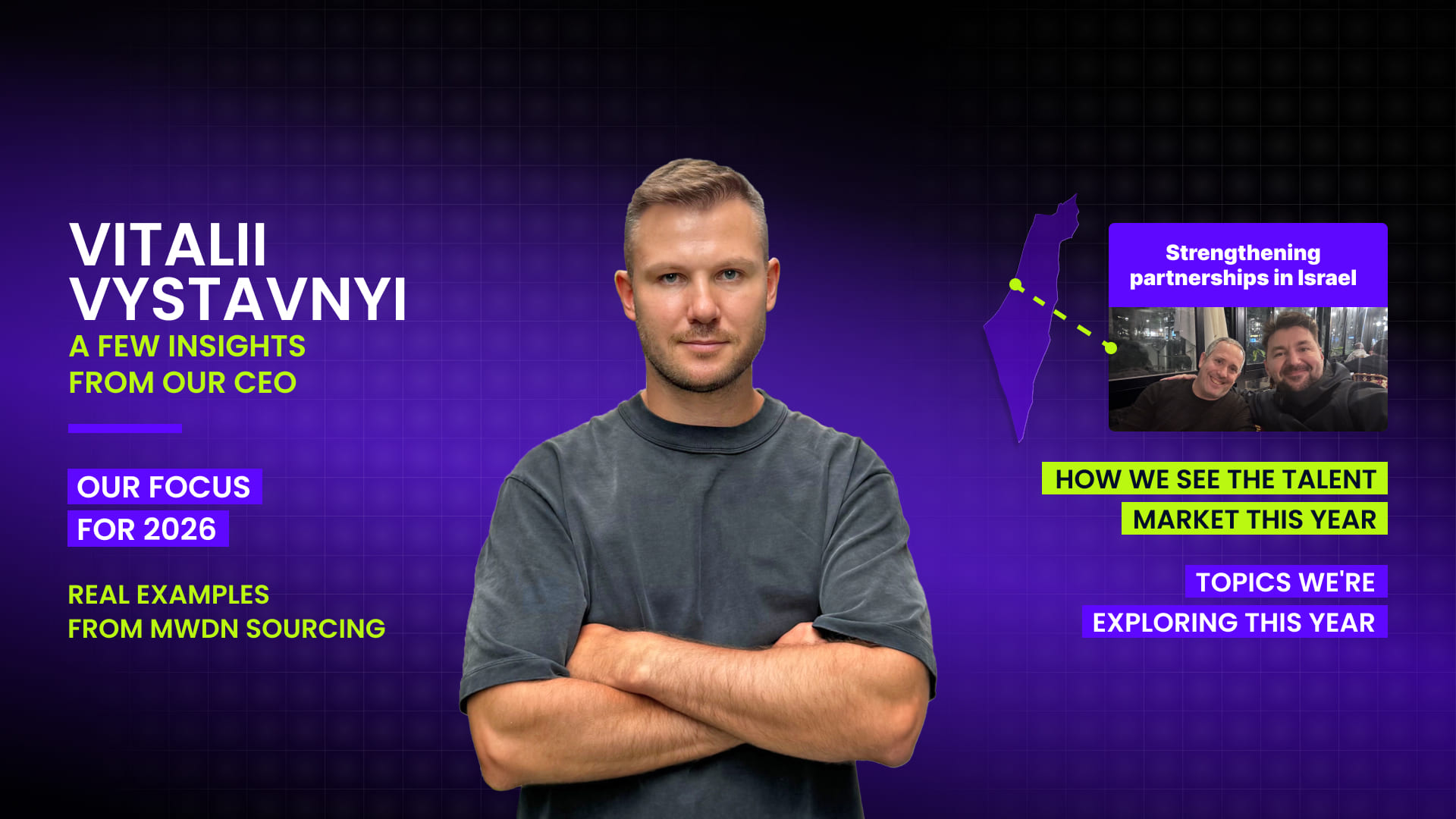
Vitalii Vystavnyi, Managing Partner at MWDN, spends a lot of time in founder and CTO conversations, talking from hiring strategy to delivery reality. He shared with us his few directions for 2026, especially relevant for teams that want to move fast without losing quality.
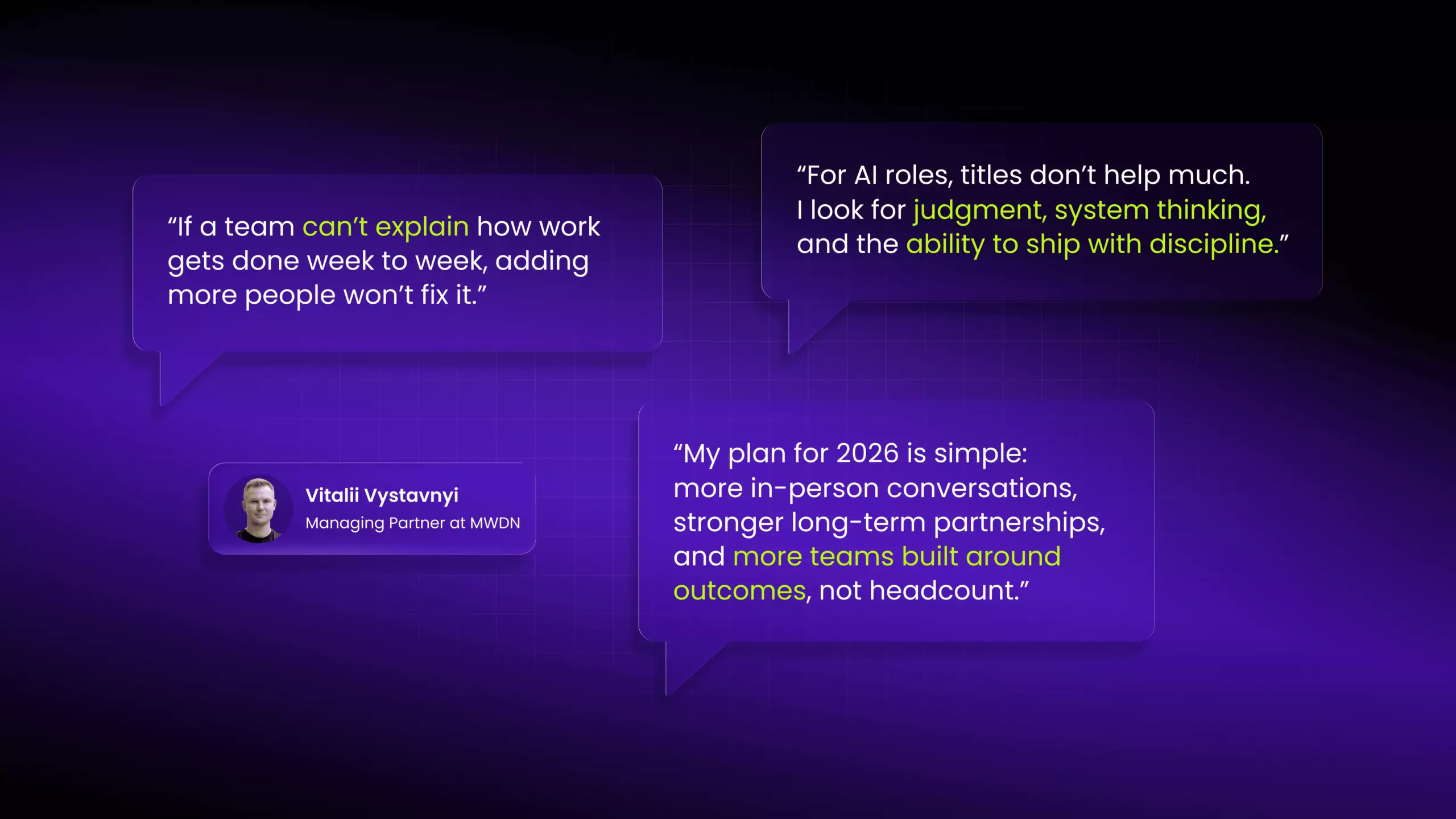
How do we see the talent market this year
Strategy matters, but in our day-to-day work at MWDN, people matter even more. We asked Anastasiia Mushak, our Talent Sourcing Lead to share what helps candidates get noticed in 2026 (and what quietly slows strong profiles down) across international hiring processes.
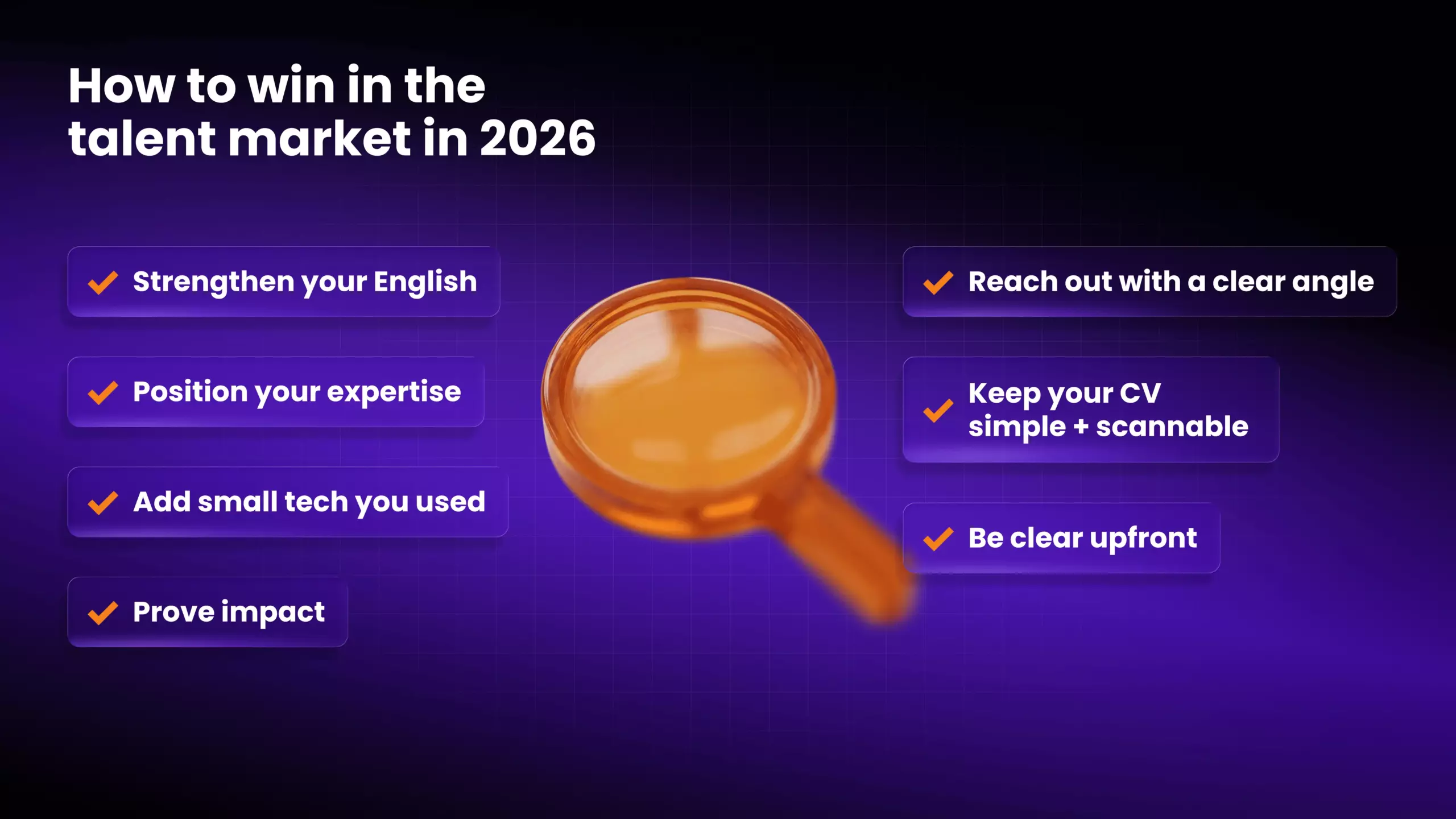
- Improve your English language skills: English is still a decisive factor in international hiring. It influences confidence during interviews, stakeholder trust, and long-term cooperation. Moreover, it often becomes a more important factor than a minor technical advantage.
- Reach out with a clear angle: Strong candidates don’t only apply. They reach out, ask the right questions, and make it easy to understand their fit quickly.
- Position your expertise: Many years of experience alone no longer guarantee that you will be included in the list of candidates. It is important how clearly you explain your field of activity, the problems you solve, and the results you have achieved.
- Keep the CV simple + scannable: Clear structure, measurable results, and role-relevant keywords matter more than design. Hiring teams scan for signals, not aesthetics.
- Add small tech you used: If you used a new tool, framework, cloud service, or AI stack element – list it (both on LinkedIn and in your CV). Those details often become the difference between “maybe later” and a shortlist.
- Be clear from the start: Uncertain expectations about compensation, location, work model, or availability create avoidable delays. Candidates who are clear about these issues early on tend to move faster.
- Prove your impact: Headlines grab attention. Impact closes the loop. Teams want proof of work done, practical judgment, and the ability to act independently.
Real examples from MWDN sourcing

One of the fastest hires in the AI industry that we supported happened because the candidate understood his value.
The candidate thoroughly researched the client’s product before the interview. Instead of talking abstractly about his skills, he discussed his experience in terms of solving the client’s problems.
This precision accelerated the selection process, improved the quality of the interview, and simplified the final decision.

Another noteworthy case (hiring a designer). One of the strongest designers we saw was not found through the traditional application process.
The candidate was discovered thanks to his portfolio on Behance. Well-structured projects, clear presentation of design solutions, and carefully documented work allowed for an almost immediate assessment. It was the portfolio that was the main signal.
We observed a similar situation (hiring a DBA). We recently assisted in the search for a database administrator candidate with a fairly narrow set of technologies. Despite the niche requirements, the hiring process went quickly. The decisive factor was not the breadth of tools, but the clarity of the profile.
The candidate’s LinkedIn profile was extremely well structured: an accurate description of the set of technologies, clearly defined responsibilities, and specific examples of managed environments.
This level of clarity, combined with a carefully completed profile, allowed us to identify and confirm the candidate’s suitability extremely quickly.
Current open roles with international teams
With all the tips in mind above, here are a few roles that are currently open with our international client teams. If one matches your next step, apply, or share it with someone who’s a great fit.
More roles are always updated here: jobs.mwdn.com
And if this sounds like someone you know – a quick share goes a long way
Insights we’re sharing along the way
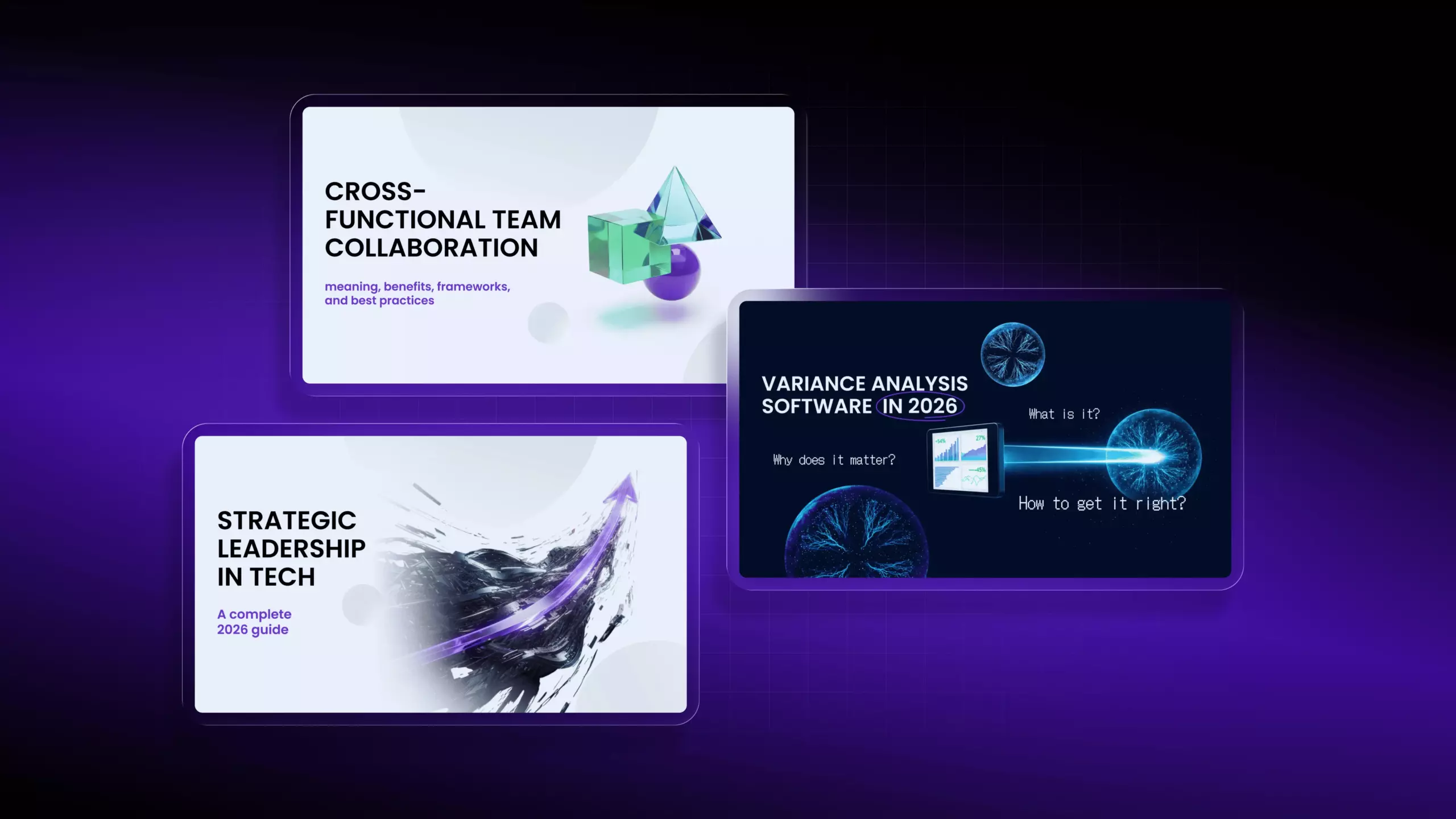
A lot of 2026 comes down to doing the basics well: clear teamwork, clear decisions, and steady execution.
So we would like to share with you these new blog posts. which are written from the angle of practical and easy to apply.
Cross-functional team collaboration
How to make teams work well across roles (product, engineering, design, QA) without creating more meetings or confusion.
Strategic leadership in tech (2026 guide)
What strong leadership looks like this year: direction, priorities, and consistent execution across teams.
Variance analysis software in 2026 Why variance analysis helps teams spot issues early, understand what changed, and course-correct faster (especially with the right tools).If global hiring, building cybersecurity teams, or scaling up deliveries are part of your plan for 2026, MWDN is always ready to exchange ideas and share what we are seeing in the markets.
And if you are currently building a team, don’t hesitate to contact us. Even a short conversation can save you weeks of work and budget.
Let’s stay connected and keep growing in 2026