A successful hire is only the starting point. What actually determines whether an outstaffing team delivers results is everything that happens after day one. A missed onboarding step, unclear communication tools, delayed access, or poorly explained workflows can cost the team 1–2 weeks of productivity. That is why onboarding, communication rhythms, support structures, and the small daily habits that shape someone’s confidence and integration matter. Many of these factors are easy to overlook, yet they are often the reason why teams lose momentum, face misalignment, or struggle with retention over time.
This edition of MWDN Journal is dedicated to the HR side of outstaffing. We asked Kateryna Golovaschenko (HRD at MWDN) to share her view on the processes that help distributed teams feel supported, connected, and ready to work effectively from day one.
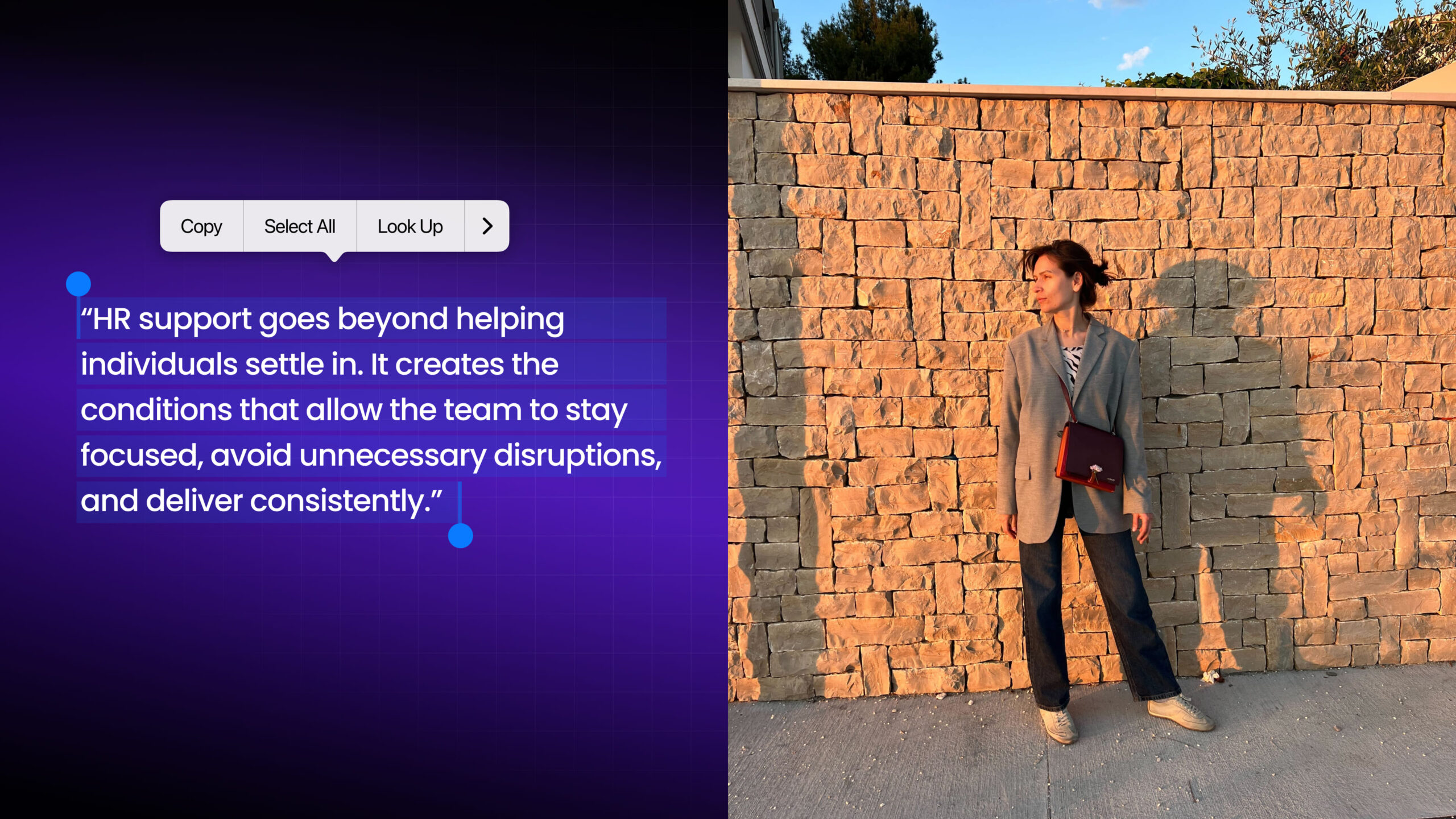
Much of what sustains a team’s success over time isn’t found in any single system – it lives in small, repeated actions that help individuals adapt, communicate clearly, and stay focused on their work.
Here’s how we put this into practice:
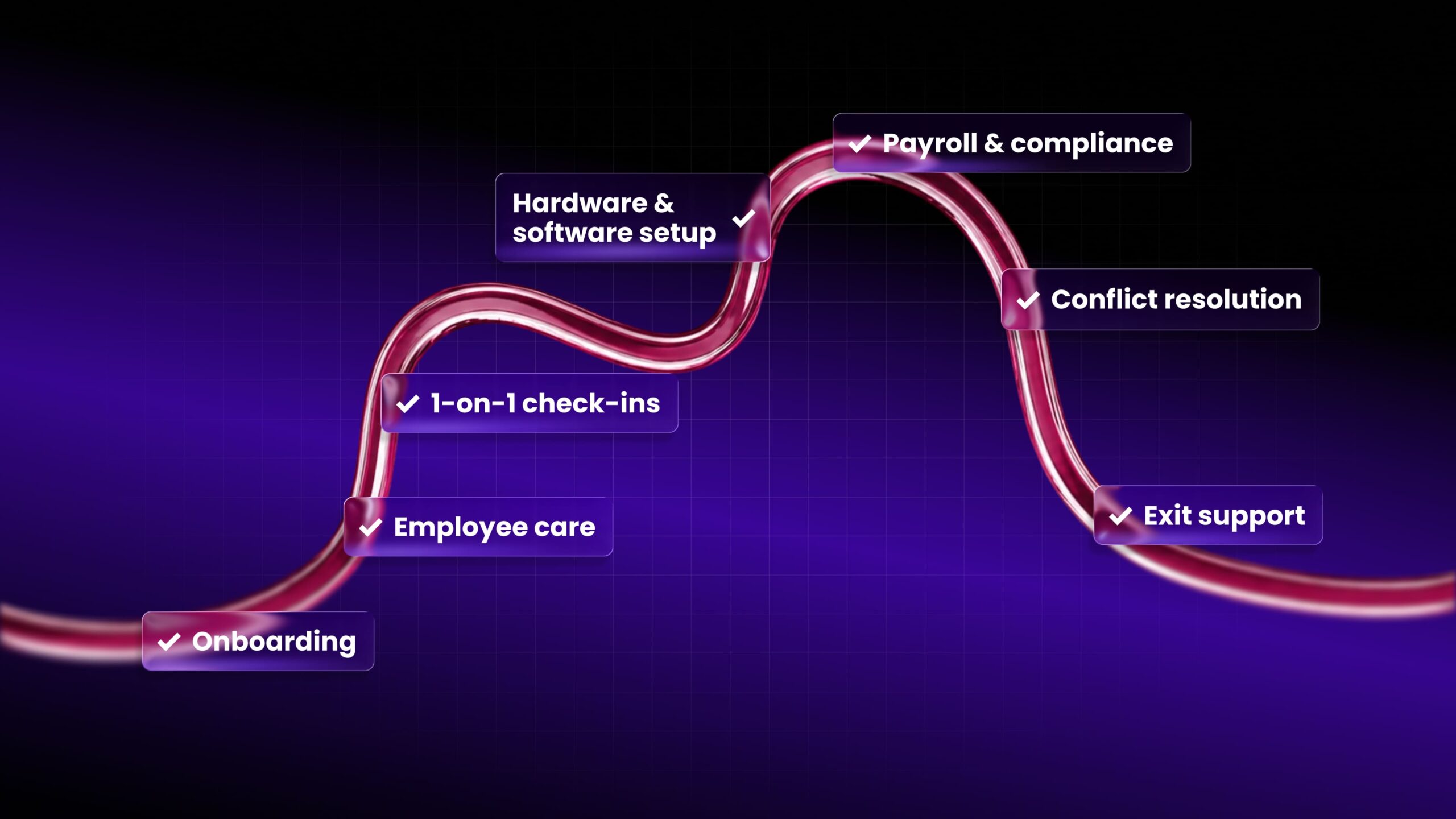
- Onboarding new specialists by helping them settle into their job as quickly as possible – making sure they have the necessary paperwork completed and making the first introductions to team members.
Result → the new teammate does not feel isolated and can move through the first days with clearer alignment - Show employee care by making sure that they actively follow up with employees during critical moments.
Result → people feel supported not only as performers, but as part of the company. - Conduct regular 1-on-1 check-ins to surface concerns early, before they turn into performance issues or impact delivery.
Result → small problems can be discussed and solved before they become visible blockers. - Set up the required hardware and/or software to support employees before their start date to eliminate any delays in their ability to perform their job duties.
Result → the specialist can begin work without losing time on avoidable technical delays. - Manage payroll and compliance, and make sure that clients have a clear understanding of the process.
Result → the client team does not lose valuable work time on administrative tasks. - Resolve communication and team issues early, before they affect motivation, trust, or overall team performance.
Result → tension is addressed early and collaboration stays healthier. - Support offboarded employees by managing debrief interviews, providing documentation, and coordinating an effective transfer of all necessary materials and information to the replacement employee upon final separation.
Result → the team keeps continuity even when someone leaves.
Each of these is an ongoing process rather than a one-time event. Together, they remove the barriers that can slow down both specialists and the client team – keeping everyone focused and able to do their work without interruption.
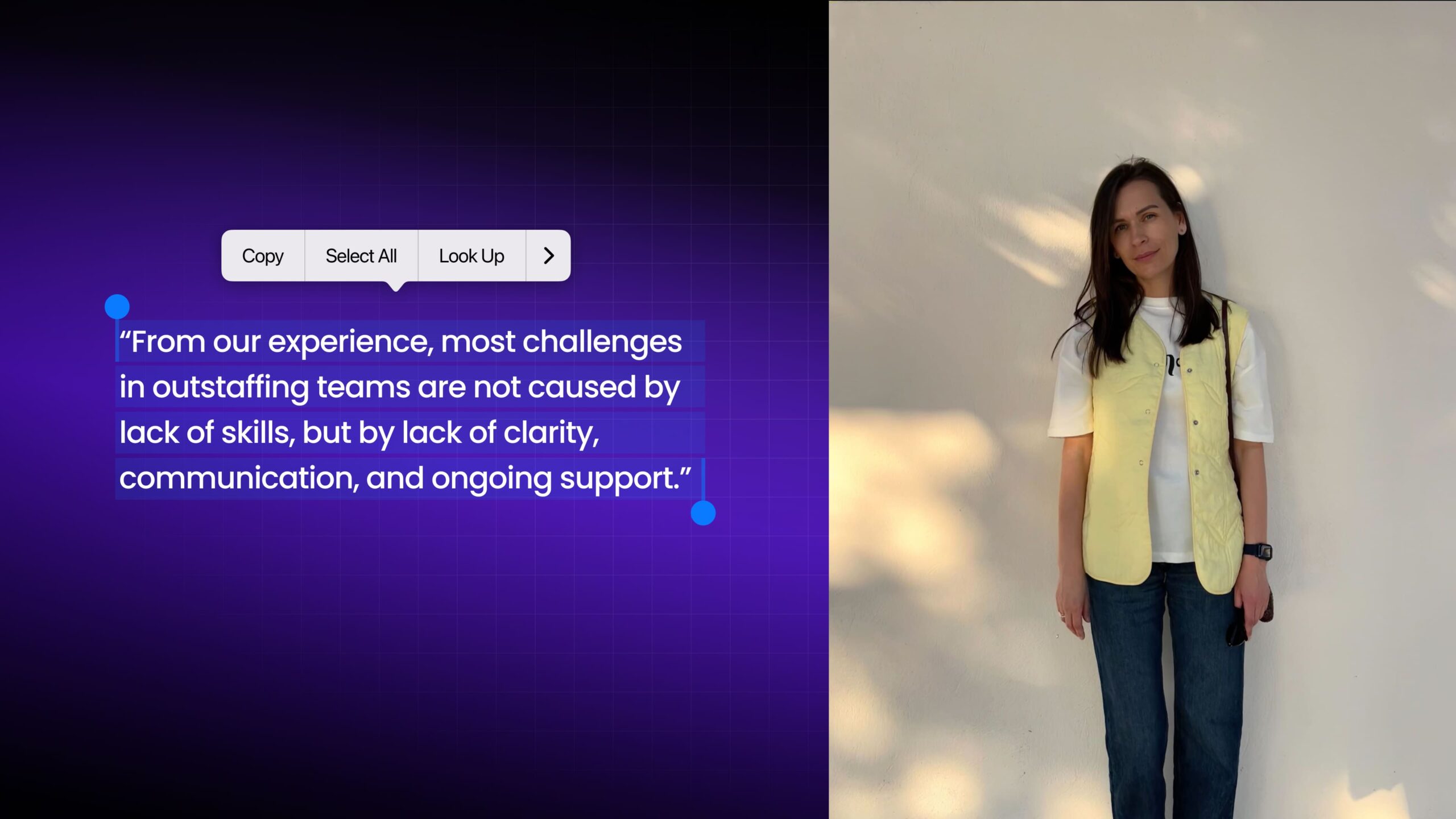
Structured HR processes are only half of the equation. The other half is understanding how people actually experience those systems in daily work.
Why feedback & surveys matter
Once the organizational foundation is in place, the next question is whether your systems and structures genuinely support the people working within them. In distributed outstaff teams, relatively small issues can go undetected for long periods – ambiguous expectations, communication gaps, uneven workloads, and unnecessary obstacles that quietly erode day-to-day productivity.
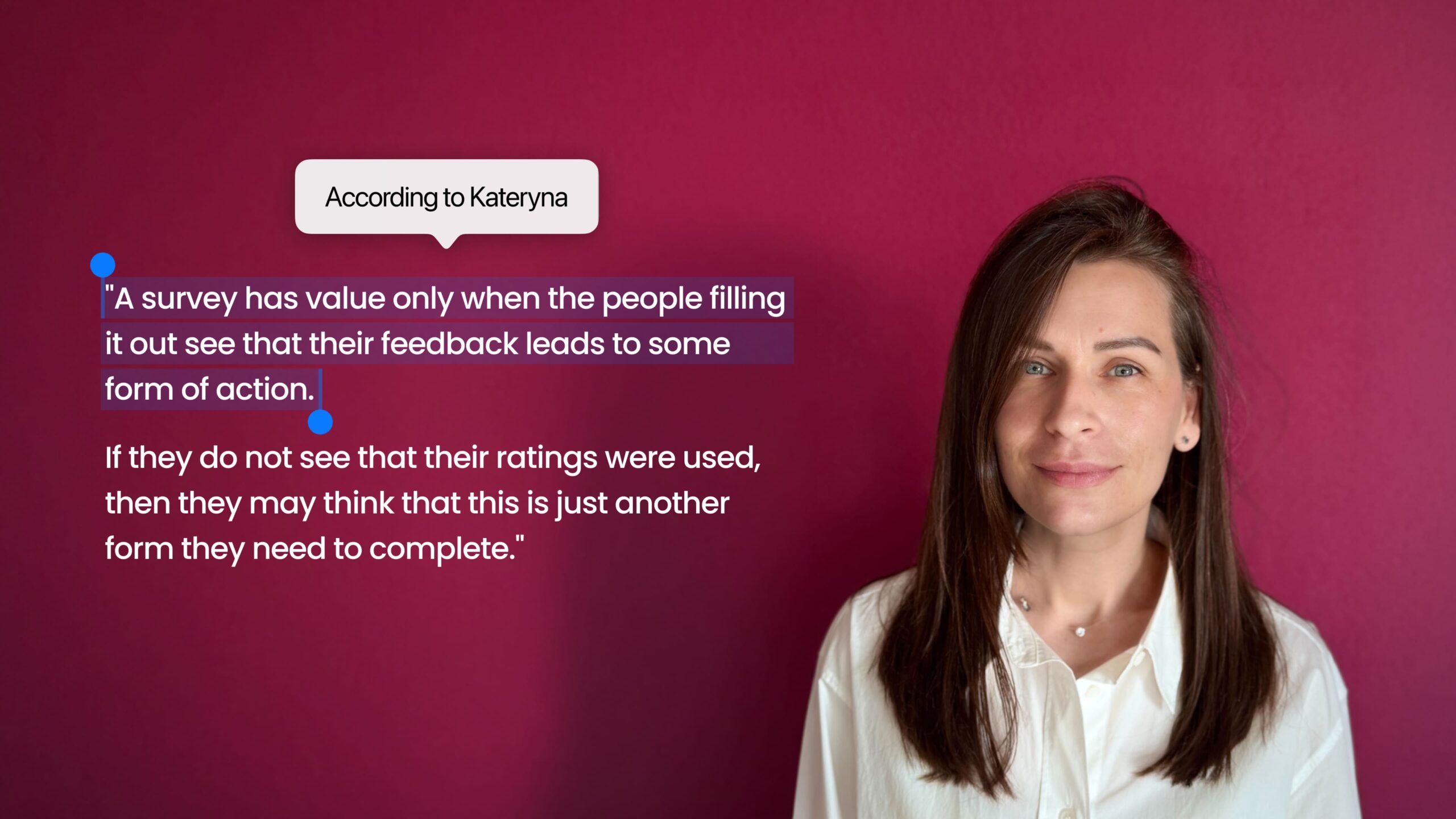
This is why we treat feedback (from both employees and clients) as an ongoing process, not a one-time activity. It allows us to identify friction early, adjust quickly, and continuously improve how teams operate. For outstaff specialists, it signals where additional support is needed. For clients, consistent feedback builds a transparent relationship grounded in trust.
How small team activities build strong remote culture in practice
Feedback alone is not enough to build a strong team culture. In distributed teams, where most interactions happen through screens, creating real human connection requires intentional effort.
This month, for example, MWDN focused on a few simple but meaningful activities across the team.
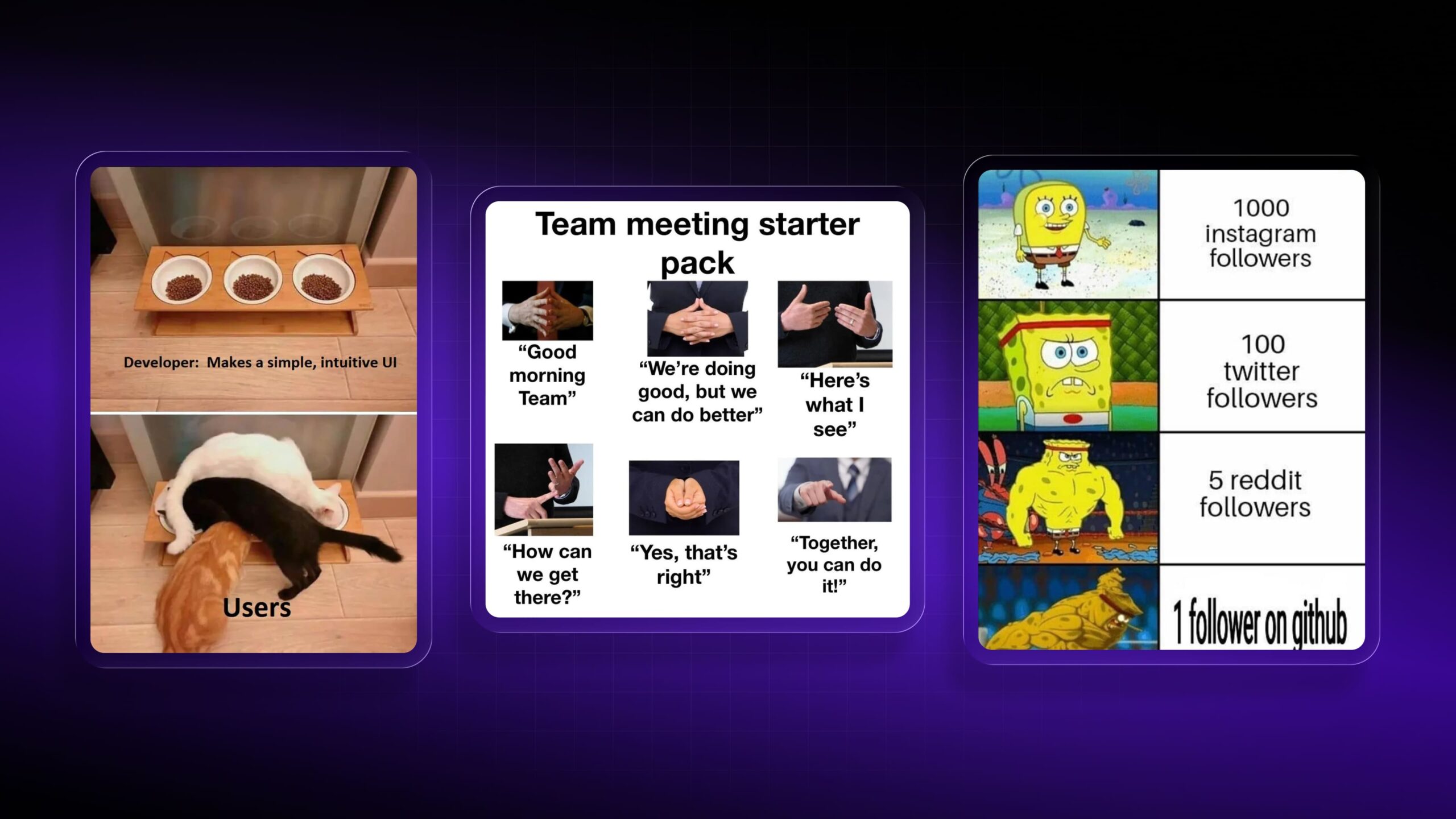
April Fools’ meme sharing
We shared a light internal meme post built around team humor and everyday communication. It was informal, easy to engage with, and close to how people already interact inside the team.
Why this matters?It reflects real team dynamics, lowers the pressure to participate, and gives people a small shared moment beyond work tasks.
What are the benefits?Remote culture does not always need big initiatives. Sometimes HR just needs to notice and amplify the small interactions that already bring people together.
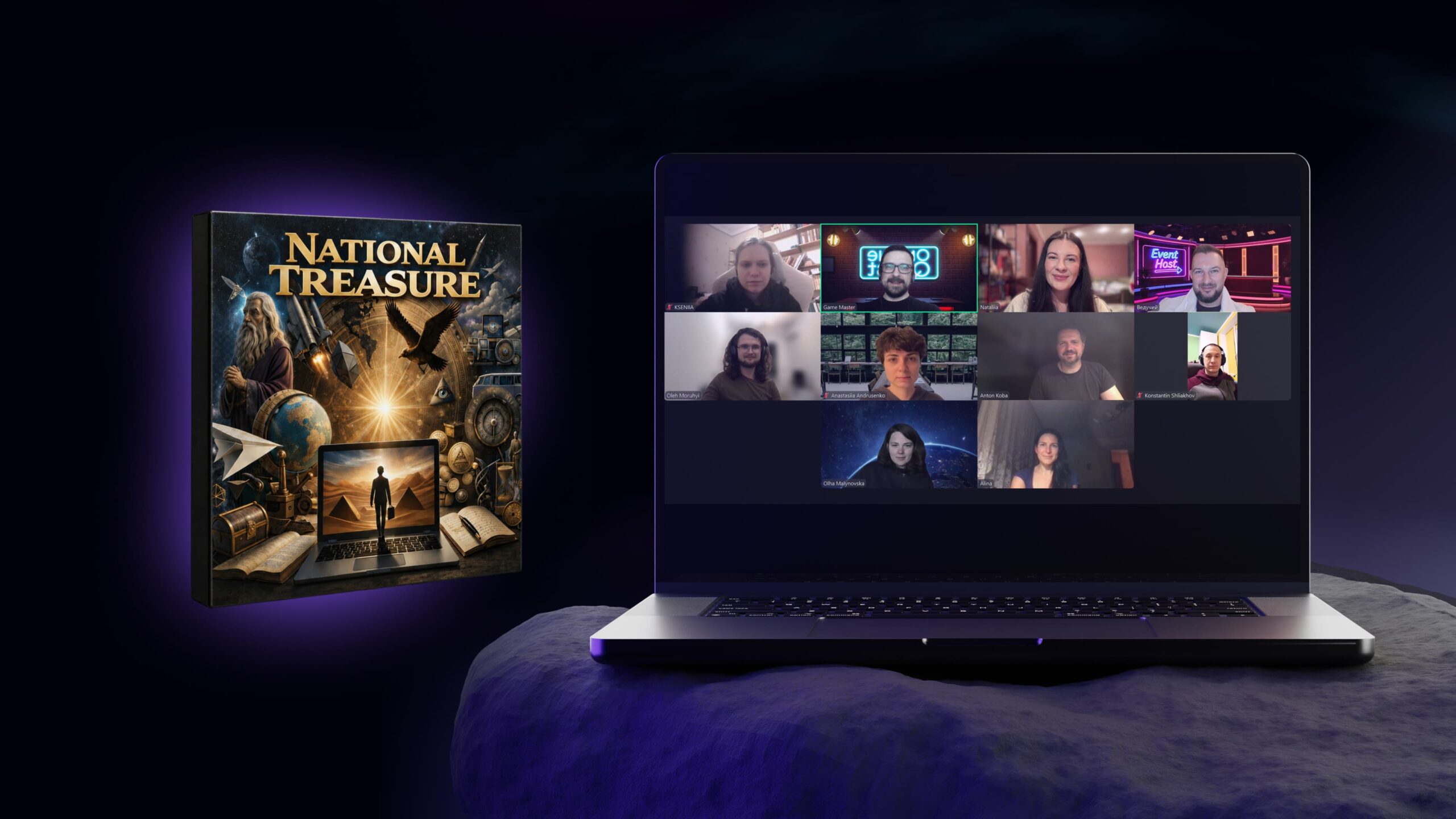
Online quiz “Treasures of the Nation”
We also launched the “Treasures of the Nation” online quiz. This was a simple interactive format where team members could join, answer questions, learn something new, and connect outside their usual work context.
Why this matters?It creates a shared experience, brings people from different projects together, and adds a sense of play to everyday communication.
What are the benefits?Remote teams don’t lack connection by default. They need shared experiences that make interaction feel more natural.
Recruiting team workation
Our recruiting team also spent a few days together during a workation. It was a chance to reset, exchange ideas, align on priorities, and discuss real operational challenges in a more focused environment.
Why this matters?Offline moments help build trust faster, make complex conversations easier, and turn team bonding into practical alignment.
What are the benefits?Remote-first doesn’t mean remote-only. Strategic offline moments can strengthen collaboration and help teams move faster when it matters.
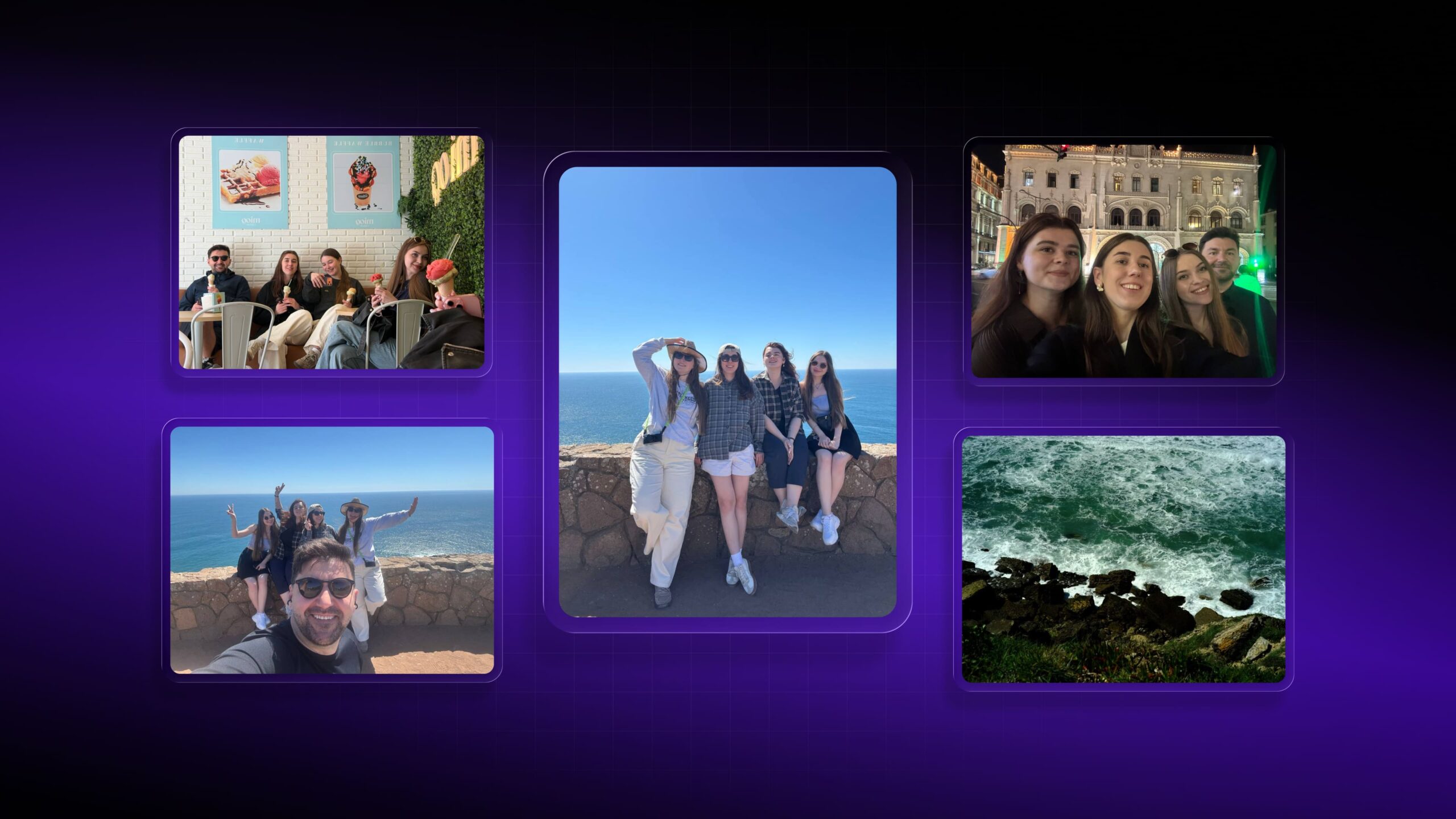
As you see, these activities show that HR support is not only about processes, surveys, or feedback. It includes the shared experiences that make people feel part of the team, even when they work from different places.
Current open roles with international teams
The same principle extends beyond HR. Strong teams form when individuals receive the right support, clear expectations, and the freedom to contribute with confidence.
That’s why we’re sharing several open positions across our international projects. These are opportunities for professionals who want to work on real products, collaborate with global teams, and see the direct impact of their work.
DevOps Engineer | Security
Senior Full-Stack Engineer | Data Infrastructure & Analytics / AdTech
Chief Electrical Engineer | Energy Tech
Cloud Back-End Developer | Email Security
Topics worth discussing further
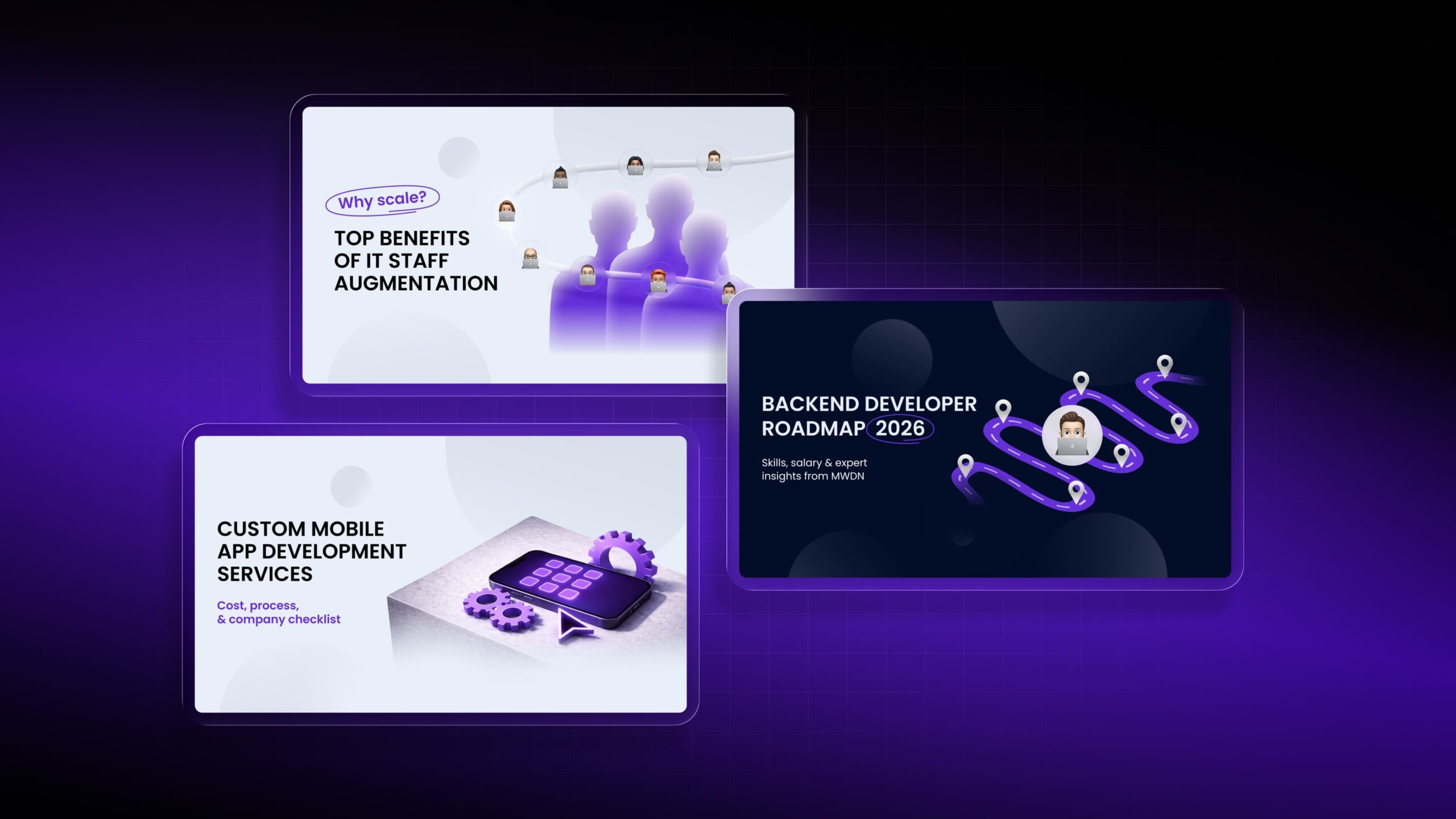
The business side raises the following questions: how companies build teams, choose the right delivery model, and decide when external support can help them move faster without adding more complexity.
So this month, we’d like to share three new blog posts focused on practical decisions many tech teams face in 2026.
Benefits of IT staff augmentation in 2026
Our look at when staff augmentation helps companies close skill gaps, reduce hiring pressure, and keep delivery moving with the right external specialists.
Custom mobile app development in 2026 A guide to what businesses should consider before building a mobile product, from choosing the right team and tech approach to planning features, budget, and long-term support.
Backend developer roadmap 2026 A practical guide to the skills, tools, and system thinking required from backend engineers today, from core fundamentals to cloud, scalability, and real-world architecture decisions.
If building stable, well-supported outstaff teams is part of your 2026 roadmap, let’s connect. Sometimes one short conversation is enough to review your current setup, spot where support is missing, and strengthen the processes that keep your team running smoothly day to day.
Let’s stay connected and keep growing in 2026