
Cross-functional collaboration is a way for employees from different departments within your company to coordinate their efforts to achieve a common goal. By applying best practices such as clear and transparent workflows, shared accountability, and active knowledge sharing, you can help cross-functional teams work more effectively and achieve better results.
Cross-functional collaboration seems like an obvious plus for any business seeking growth. The challenge lies in understanding how to make it effective and how to continuously improve it over time.
What is cross functional collaboration?
Cross-functional collaboration can be defined by its name:
Cross-functional
: meaning between functions or within functions.
Collaboration
: joining forces, coming together around a project or idea, and other joint work.
Cross-functional collaboration occurs between different internal functions, such as product marketing and content marketing teams, while cross-organizational cross-functional collaboration occurs between different business functions (e.g., marketing and sales).
As a result, cross-functional collaboration between different departments can bring a variety of knowledge, ideas, and interactions that would not be possible within isolated initiatives.
Why is cross functional collaboration important?
The ability to solve problems that affect more than one team or department gives your organization the opportunity to succeed in a competitive market. In addition to the benefits for the organization, the ability to work with people from different teams is also an advantage for individuals.
Here are just a few reasons why cross-functional collaboration is an important skill:
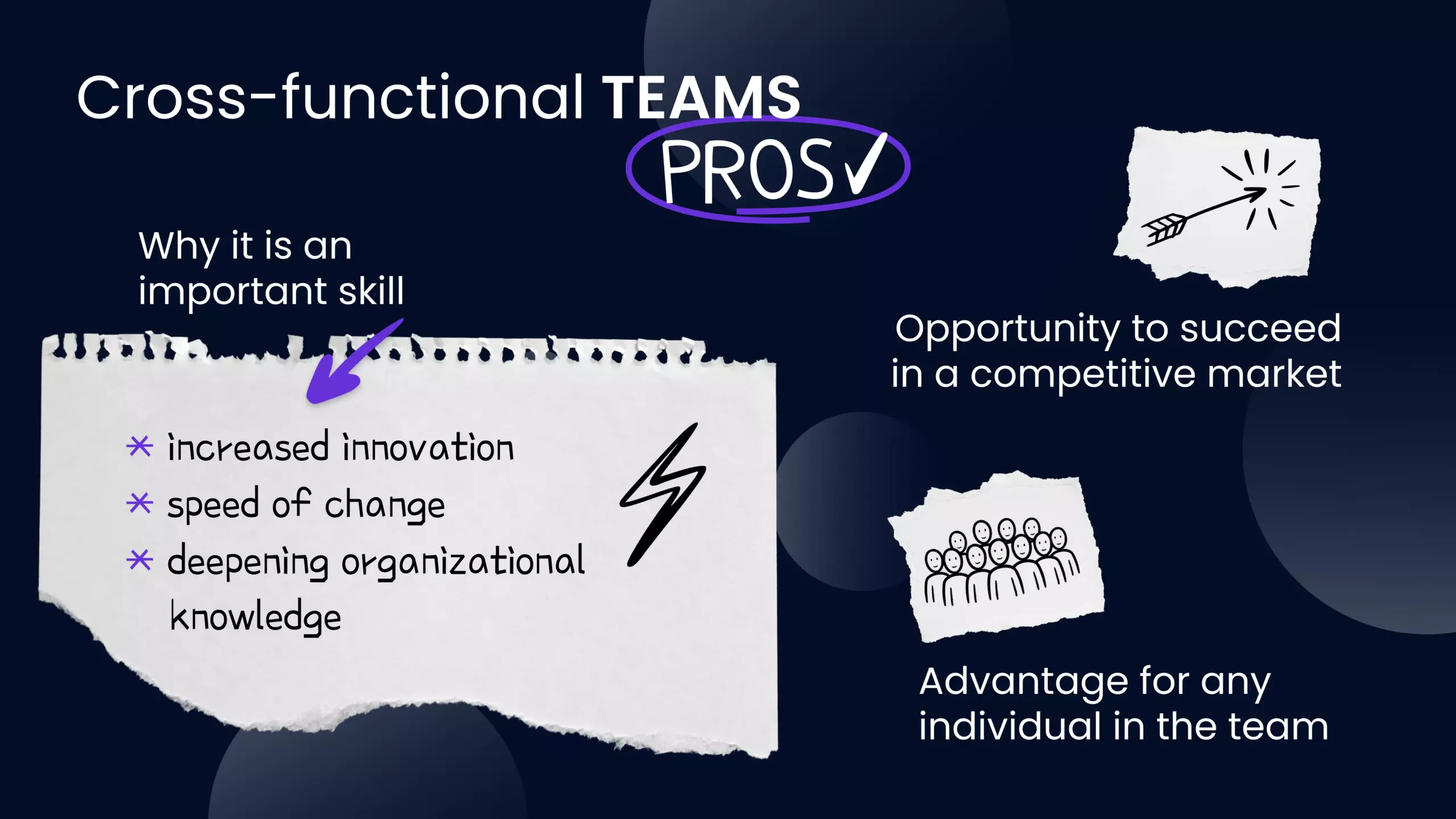
Increased innovation
Everyone sees problems from their own perspective. Bringing together people from different parts of the company can shed light on process issues and offer innovative solutions that satisfy everyone.
Speed of change
Involving people from different spheres of influence from the outset helps to ensure support, empathy, and trust. There are fewer “turf wars” to defend, and everyone is on the same page, so there are far fewer delays.
Deepening organizational knowledge
Working with people who are experts in different areas of the business promotes the exchange of knowledge that sometimes remains hidden and helps everyone understand how their work fits into the big picture.
Cross functional collaboration skills & best practices
Cross-functional collaboration doesn’t happen just because you’ve brought employees from different departments together in a single Slack channel. It works when teams acquire the necessary skills and adhere to a few recurring practices that replace habits of working in isolation.
Essential skills to build (and hire for)
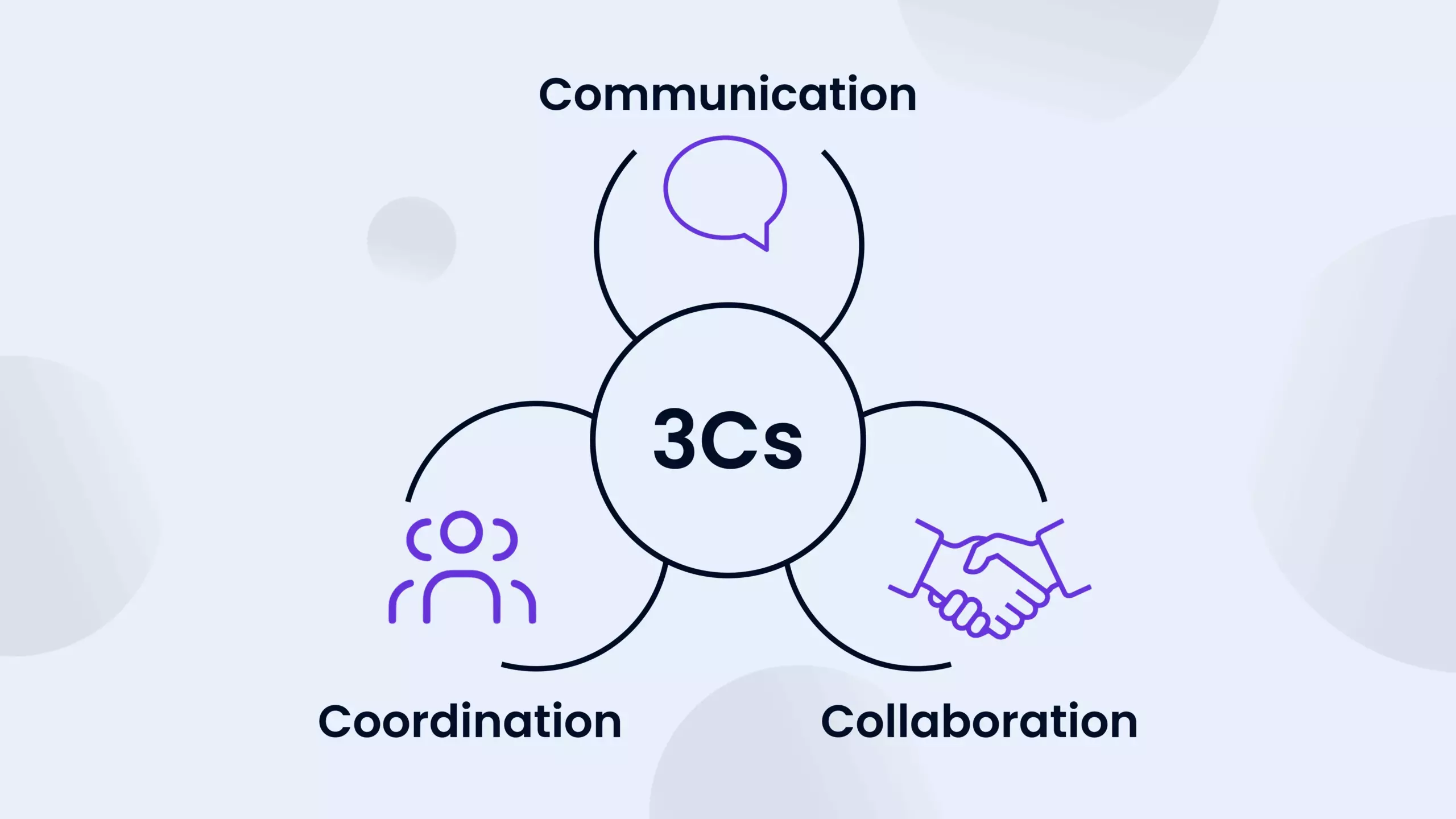
- Clear communication is the key. Teams can’t share context, decisions, and updates across functions without reliable written and verbal communication. The goal is not “more communication”, but shared understanding. For example, what we are doing, why it matters, who is responsible for what, and what is getting in the way.
- Teamwork and adaptability ensure stable collaboration when priorities change. Cross-functional work changes rapidly – volumes change, dependencies arise, deadlines change. People who work well together remain flexible, adjust their approach, and maintain momentum without blaming “the other department”.
- Strategic thinking and problem solving help teams deal to coordinate conflicts and challenges. When problems arise, cross-functional teams must set aside function-oriented thinking and work based on results. Strong problem solvers bring structure: they clarify the real problem, gather information from relevant experts, and agree on a solution.
Best practices that make collaboration stick
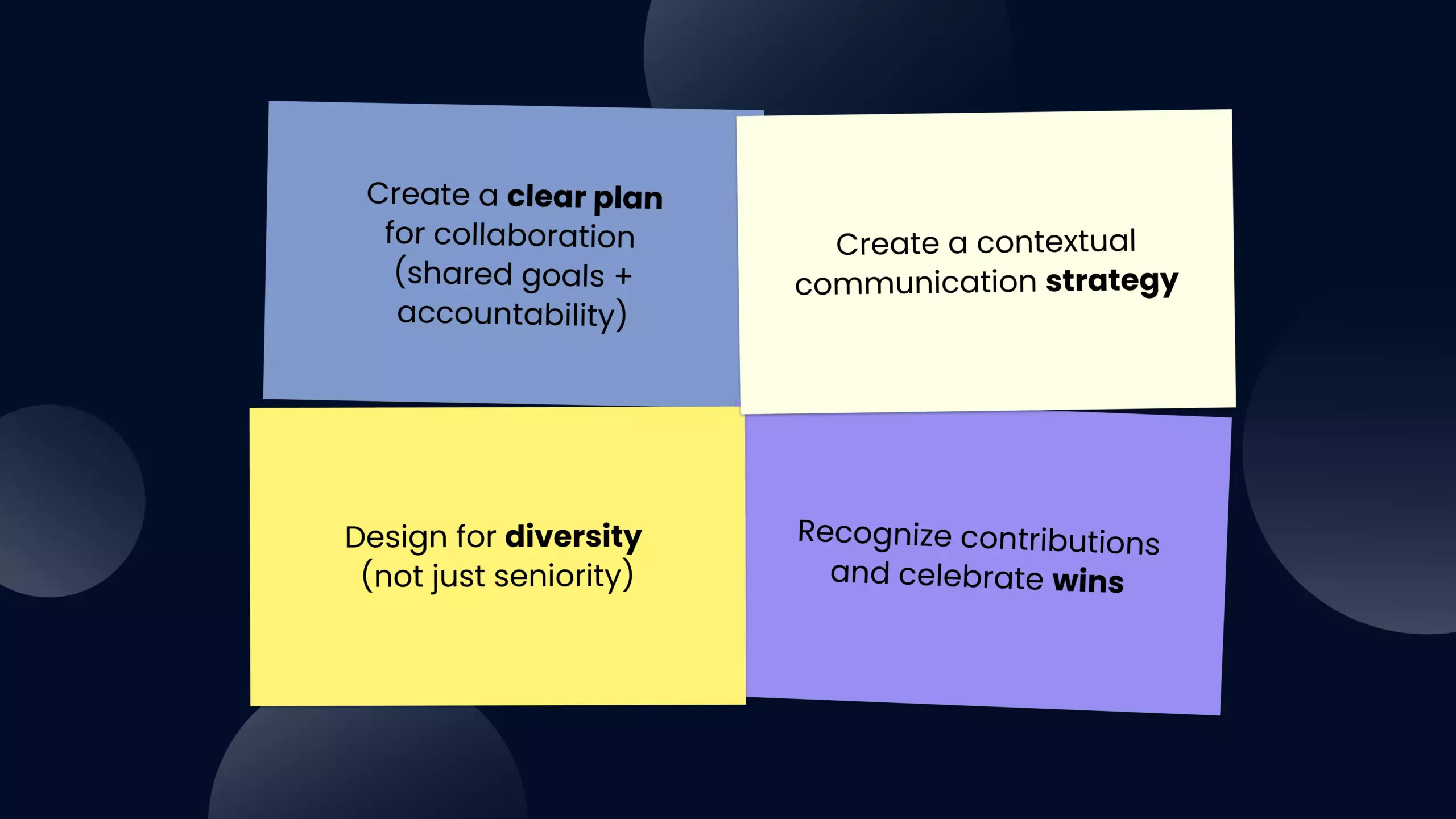
1️⃣ A simple goal-setting system, such as OKR, helps cross-functional teams agree on a single definition of success. When the goal is clear and key results are measurable, teams can distribute responsibility, manage interdependencies, and remain accountable without losing autonomy.
2️⃣ Cross-functional collaboration requires channels that are designed for quick coordination. Email chains and scattered documents only slow down the work. Use tools that fit how your team works, such as project tracking, asynchronous updates, and clear decision logs. Then, add routine: regular, goal-related check-ins to keep progress and obstacles visible, especially for remote teams.
3️⃣ The strongest cross-functional teams strike a balance between:
- Experience (a combination of seniority and practical execution)
- Influence (people who can coordinate the actions of others, not just “manage”)
- Expertise (those closest to the reality of the product/process)
4️⃣ Cross-functional work can seem invisible because success is shared. Make it visible. Highlight the impact, publicly express gratitude to teams, and encourage behaviors you want to see repeated. Recognition keeps motivation high and helps collaboration become a habit rather than a one-time initiative.
Frameworks and tools for cross functional collaboration
Cross-functional collaboration works when teams stop relying on “good intentions” and create a simple operating system. One that answers the same questions every time:
❓ What are we trying to achieve?
❓ Who is responsible for what?
❓ Where are updates and decisions stored?
❓ How do we communicate?
❓How do we track progress?
Below is a practical set of structures and tools that you can combine with each other.
Quick map: problem → framework/tool → outcome
| If you’re seeing this problem… | Use this framework/tool | What it fixes |
|---|---|---|
| Teams pull in different directions | OKRs + shared metrics | Creates one definition of success and a shared scoreboard |
| “Who owns this?” confusion | RACI / DACI (role & decision clarity) | Makes ownership and decision-making explicit |
| Too many meetings, still unclear | Operating cadence + async updates | Builds rhythm and predictable alignment |
| People can’t find the latest info | Single source of truth (SSoT) | Prevents outdated docs and repeated questions |
| Work gets stuck at handoffs | Workflow automation + checklists | Reduces waiting, missed steps, and follow-ups |
| Tasks are tracked per department only | Cross-team project management setup | Adds visibility into dependencies and workload |
Cross-functional collaboration works best when it is built on a clear system. Align teams with shared goals and metrics, define roles and decision-making rules, maintain a steady rhythm of communication, and stick to a single source of truth. Support this with the right project management organization and light automation to reduce hand-offs, speed up decision-making, and ensure everyone is moving toward the same outcome.
Measuring cross functional collaboration
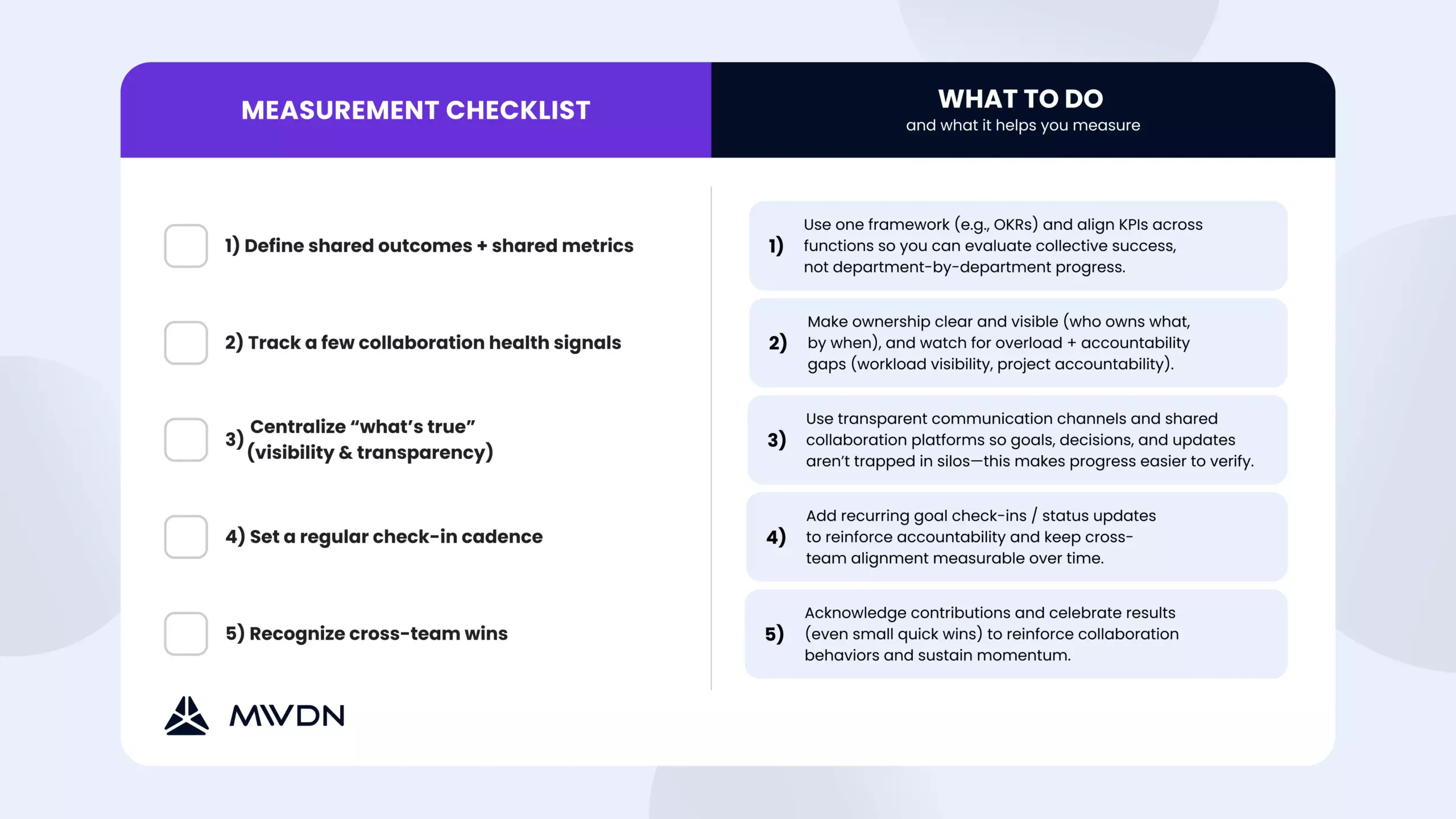
If cross-functional collaboration is not measured, it usually turns into thoughts like, “Marketing works slowly”, “Engineers never respond”, “The product has changed the scope of work again”. One of the biggest obstacles is that teams often use different metrics for success, making it difficult to assess collective progress or even agree on what “good” looks like.
We have created a checklist for you and your team, so it is easy for you to measure cross functional collaboration.
Common challenges and how to overcome them
In an ideal world, functions would collaborate seamlessly across tasks and projects. Unfortunately, this is not always the case. There are several issues in cross-functional collaboration that complicate this task. Let’s take a look at each of them and the necessary solutions.
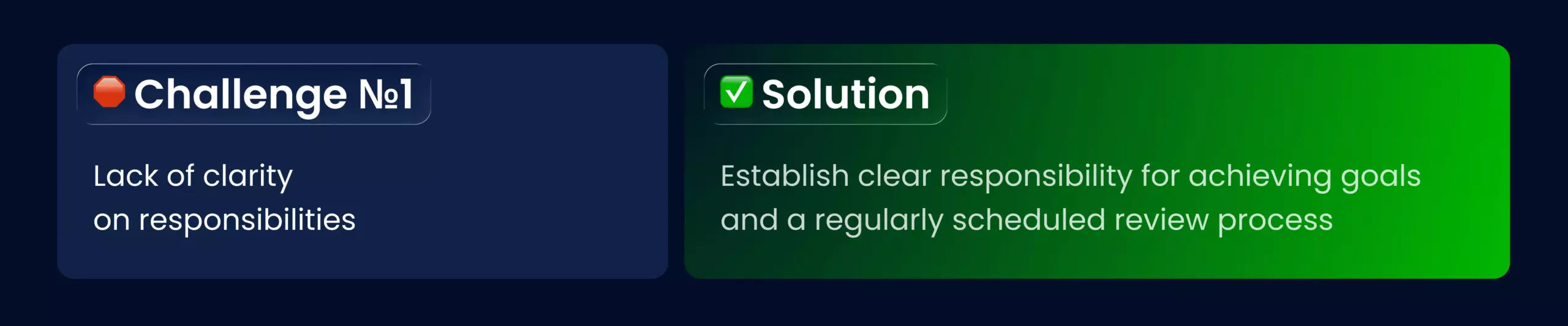
Teams try to clearly assign authority and responsibility for goals, tasks, and deadlines. This ambiguity often leads to confusion and disagreements, making it harder to coordinate actions and work together effectively.
Create a structured accountability system that defines and communicates each team member’s responsibilities so that everyone understands their role in achieving specific goals. As part of this, encourage regular goal reviews or status updates to reinforce accountability and maintain team alignment.
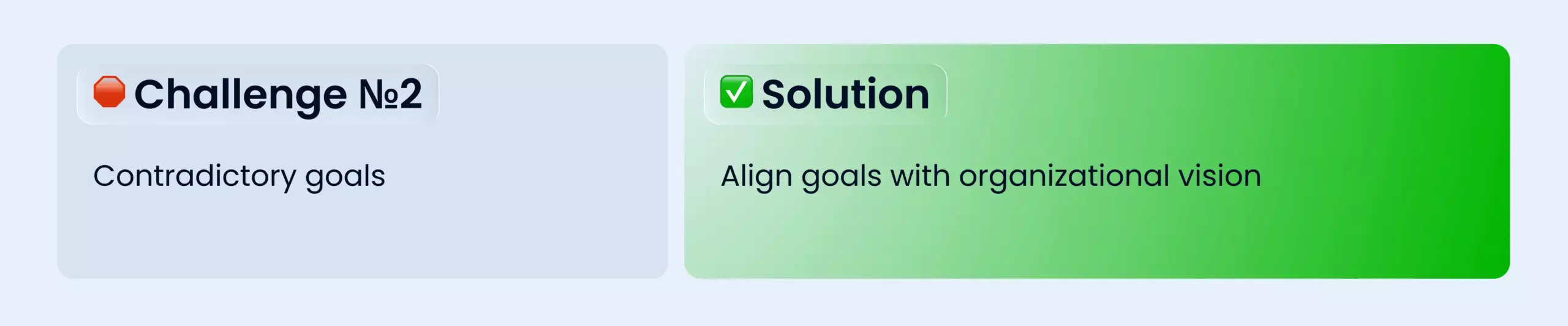
Contradictory goals of different functions hinder coordination and unity. When departments prioritize goals that do not align with the organization’s main priorities, it leads to disjointed efforts.
Create a shared understanding of the company’s vision, mission, and core goals, and ensure that all departmental goals support them. Encourage open communication to reduce goal conflict and ensure coordinated efforts to achieve shared goals.
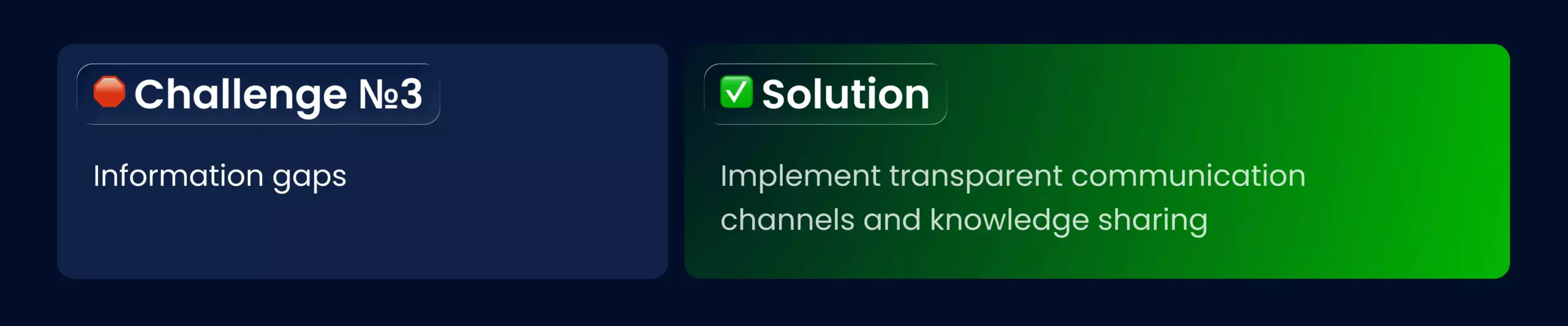
Gaps limit the exchange of knowledge and ideas between departments. Important information may be hidden or restricted to certain channels, which affects decision-making.
Create transparent communication channels and cross-functional collaboration platforms for all departments, ensuring the exchange of information and ideas. As part of this, create and maintain a culture in which open communication is an integral part of the business foundation.
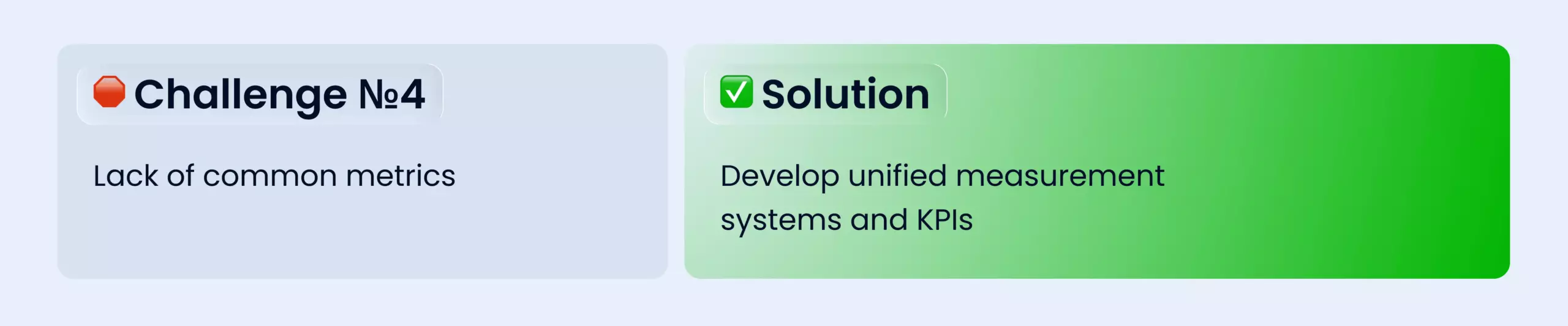
The lack of common performance metrics for different functions is a significant problem. Different departments may have separate measurement systems, making it difficult to assess overall success or align goals.
Use unified measurement systems (e.g., OKRs) and create KPIs that align with the organization’s overall goals. Review and adjust these metrics regularly to ensure they are consistent and relevant.
The lack of personal contact and physical cues creates significant barriers to effective communication, teamwork, and the organic development of relationships between team members.
Invest in team-building activities adapted for remote or hybrid teams. Establish clear communication protocols, make effective use of collaboration tools, and encourage virtual bonding sessions to bridge the gap caused by physical distance.
Unlocking the power of cross functional teams with MWDN
Effective cross-functional teamwork is a process, just like any other aspect of change management.
First and foremost, you need to help your teams understand its importance, because cross-functional teams cannot exist without the support and engagement of both managers and team members. Trying to force or coerce teams into cross-functional collaboration never works.
Creating a shared change framework, such as OKRs, allows you to first rely on your leaders and build trust from within, which helps to strengthen cross-functional collaboration.
Then, implementing the tips and insights in this article can help you develop a cross-functional team process.
MWDN empowers modern organizations to turn their ambitions into reality through strategic agility. It’s where strategy, teams, and data come together to make effective decisions, optimize execution, and maximize performance.
As your company operates in today’s competitive environment, you need an Always-On strategy to continuously close the gap between current and desired business outcomes. MWDN combines technology, experience, and enthusiasm to transform your strategy and action plans from a static formula into a feedback-driven growth engine.
Whether you are a fast-growing company, a medium-sized business looking to conquer the market, or a large enterprise seeking innovation, MWDN will help you stay ahead – at every stage.
FAQ
What is the difference between cross-functional collaboration and regular teamwork?
Cross-functional collaboration involves people from different departments or functional areas working together, whereas traditional teamwork usually takes place within a single department or function. Cross-functional work is aimed at solving problems that span multiple areas of expertise.
What is the ideal size for a cross-functional team?
The most effective cross-functional teams consist of 5-9 members representing key stakeholder groups. Larger teams can become cumbersome, while smaller teams may lack the necessary perspectives.
How do you resolve conflicts in cross-functional collaboration?
Resolve conflicts directly, ensuring that all parties feel heard, focusing on shared goals rather than individual positions, and making clear decisions that allow the team to move forward. If necessary, a skilled facilitator can assist with mediation.
How can you get department heads to support cross-functional initiatives?
Demonstrate clear business value, align projects with organizational priorities, involve managers in project planning, and communicate short-term wins and long-term benefits. Success stories from other initiatives help build trust.
How to maintain momentum in long-term cross-functional projects?
Establish a regular communication rhythm, celebrate milestones, rotate meeting leadership, provide ongoing training and support, and constantly link work to organizational goals and individual development.